Lower gardens and humid hallways
Peeping Sundew
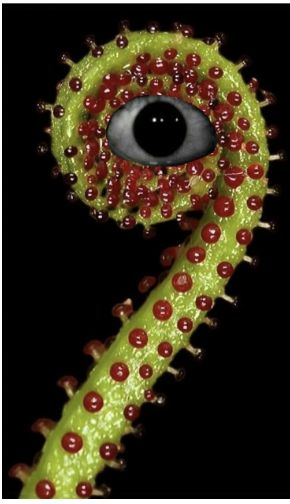
The Peeping Sundew is a climbing carnivorous plant covered in sticky red traps and a central eye organ that tracks nearby motion.
- Recorded behavior
- Observes movement and traps drifting nutrients
Nullhaven Botanical Registry
Living records of the plants that observe, signal, climb, feed, measure time, and reshape themselves across the inhabited Void.
17registered specimens
15documented habitats
5mutation stages
Opencurrent field season
Specimen index
Field marks show how closely residents may approach each specimen.
Lower gardens and humid hallways
The Peeping Sundew is a climbing carnivorous plant covered in sticky red traps and a central eye organ that tracks nearby motion.
Abandoned reflection gardens and mirrored atriums
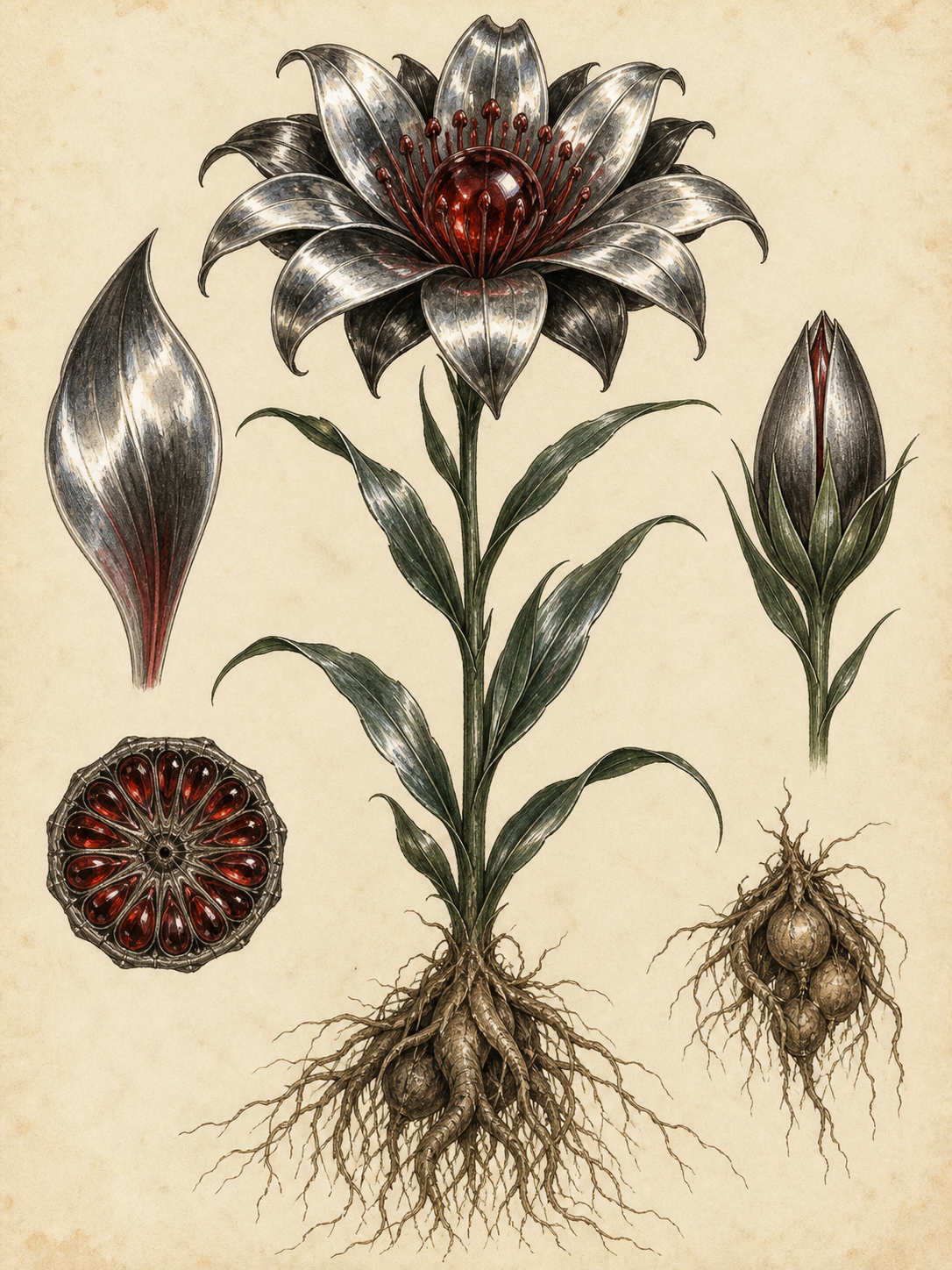
The Mirrortrap Lily is a metallic-leaved flower that copies nearby silhouettes across its petals and turns rapidly toward moving reflections.
Interspace gate walls and unstable road margins
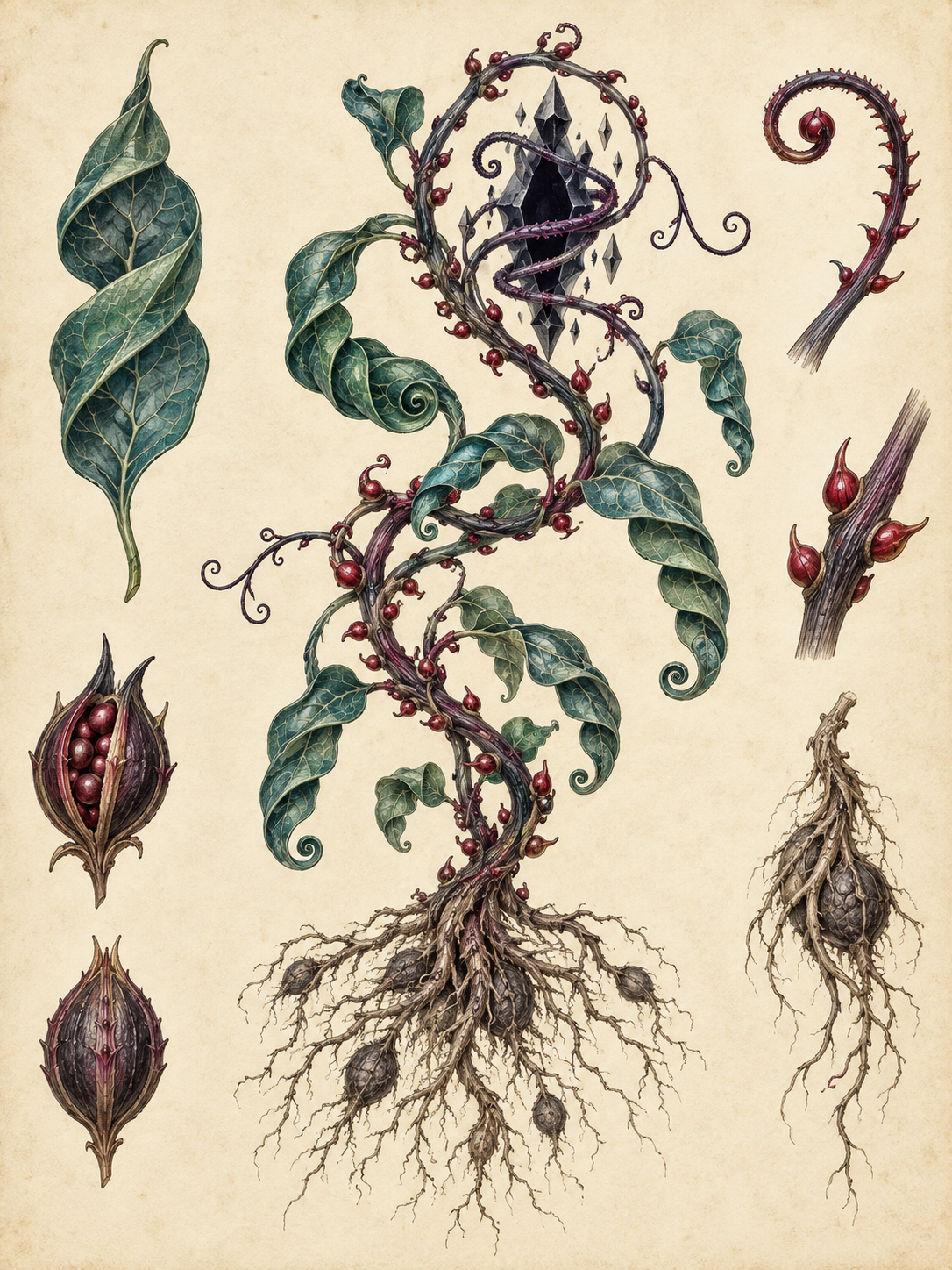
Riftcoil Ivy grows around small spatial faults, forming spiral tendrils that make the distance inside each loop shorter than the distance outside it.
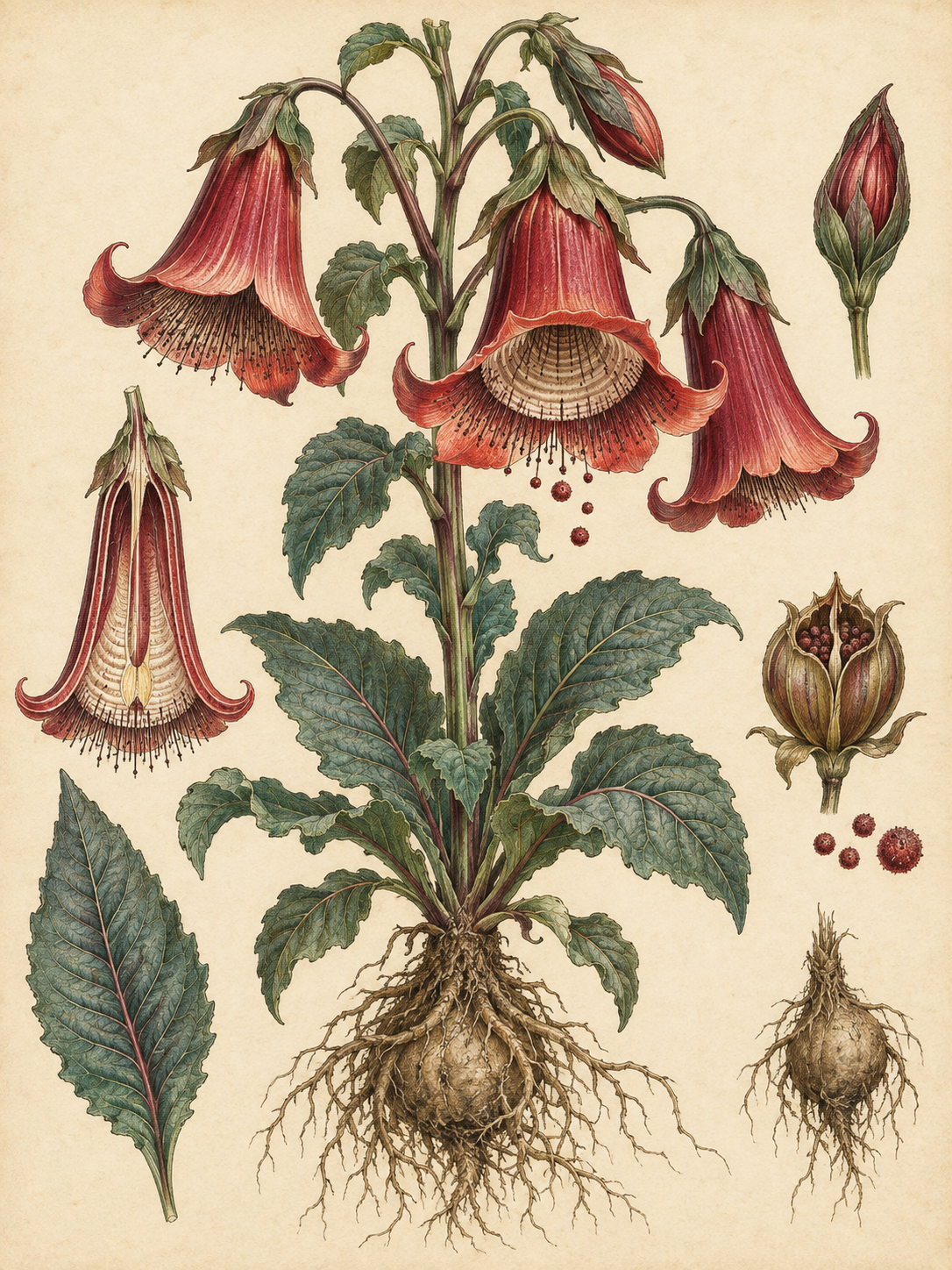
Static-rain towers and lower storm drains
The Siren Bellflower produces a rising pressure tone before releasing a cloud of electrically charged red spores from its hanging blooms.

Supervised quarantine gardens
The Whispering Flower is a smiling potted plant known for its soft voice and its later transformation into the first widely recorded Stage 4 void mutation.
Original flower image: Ashur Gharavi
Open field record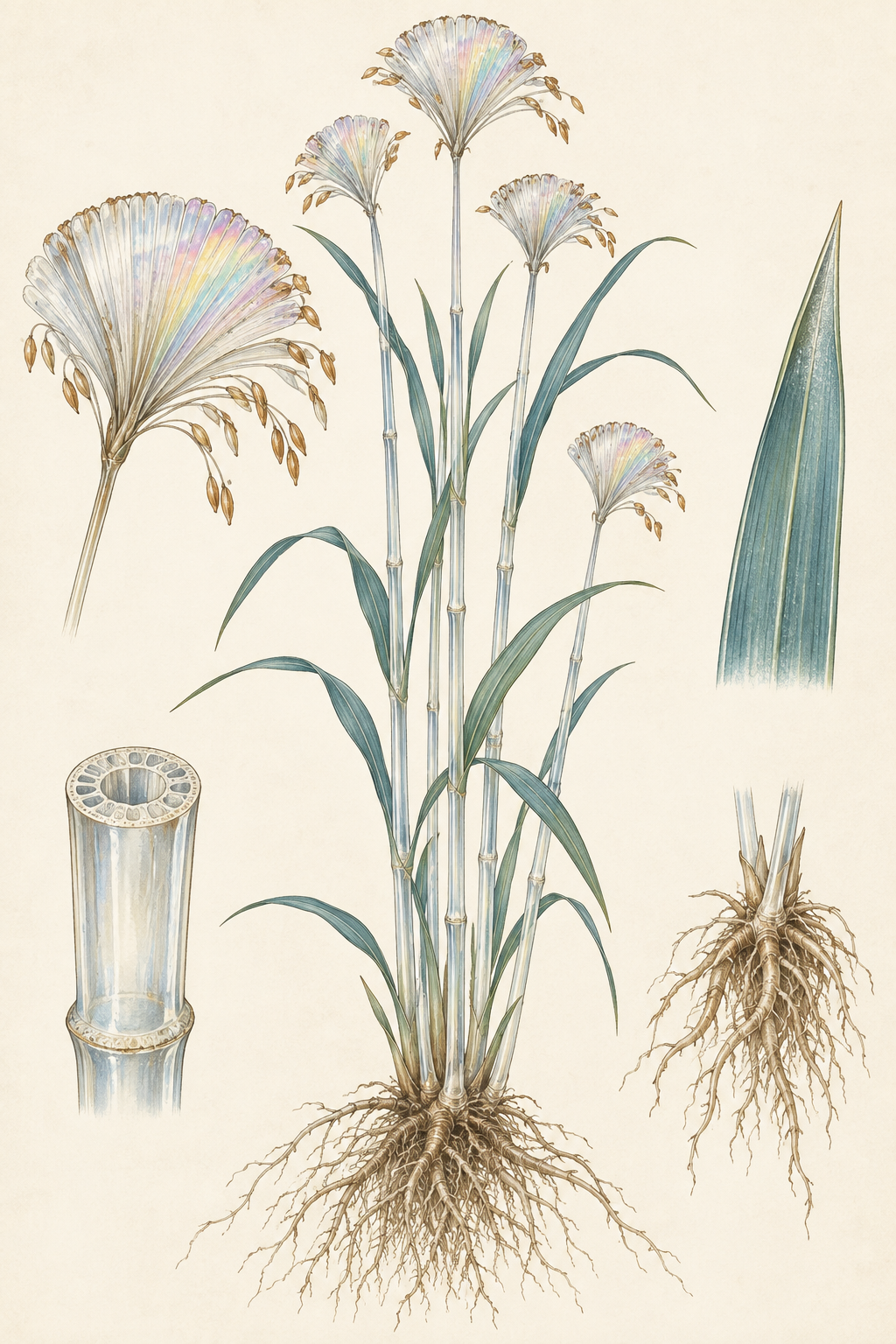
Aero Lagoon boardwalk edges and flood gardens
Prism Reed is a translucent-stemmed wetland plant whose fan-shaped seed heads split daylight into bright paths that may appear solid from a distance.
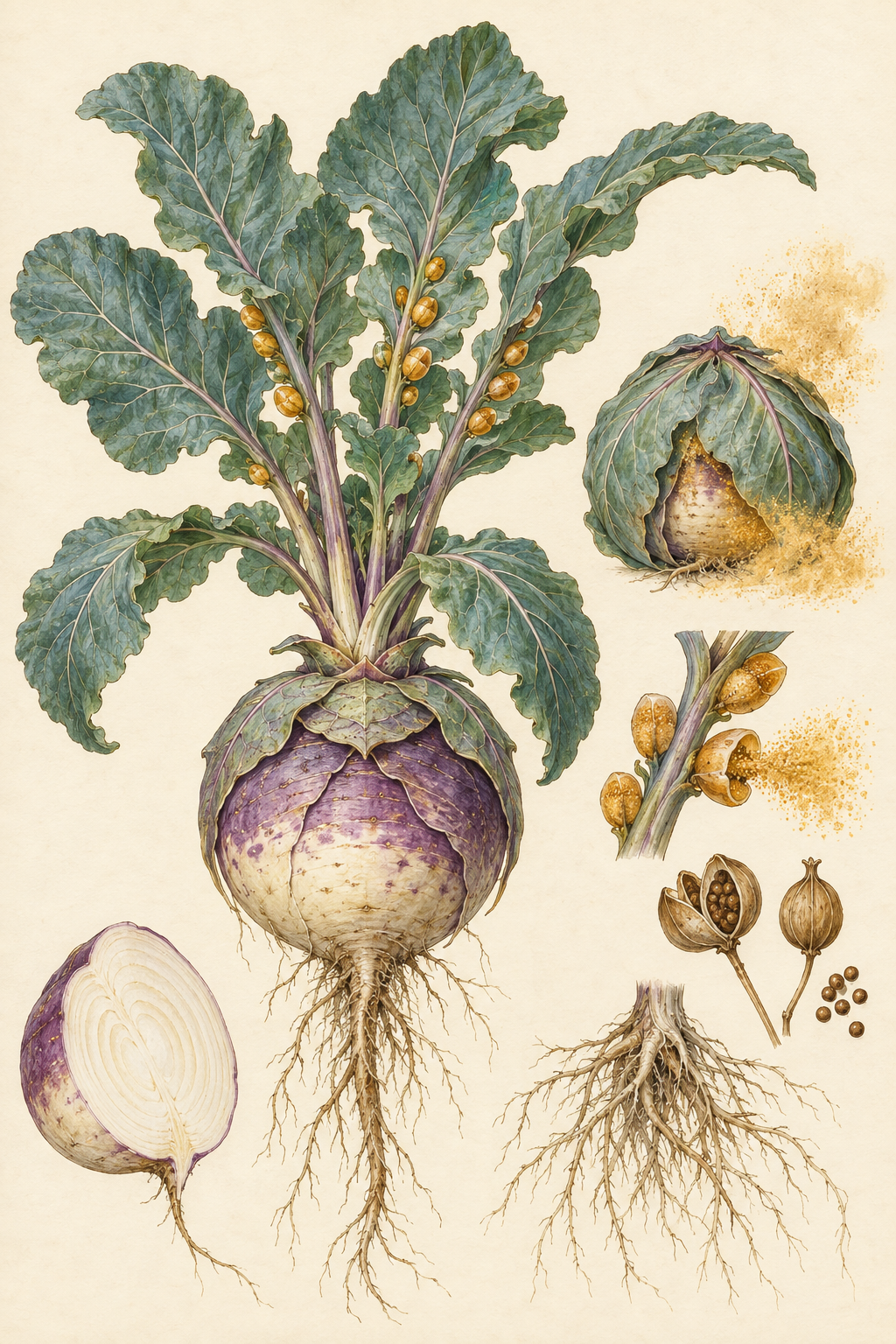
Eyeview teaching farms and cool root beds
Shieldroot Turnip is an edible violet-and-cream root vegetable that protects itself from warm human hands by closing its leaves and releasing golden identification dust.
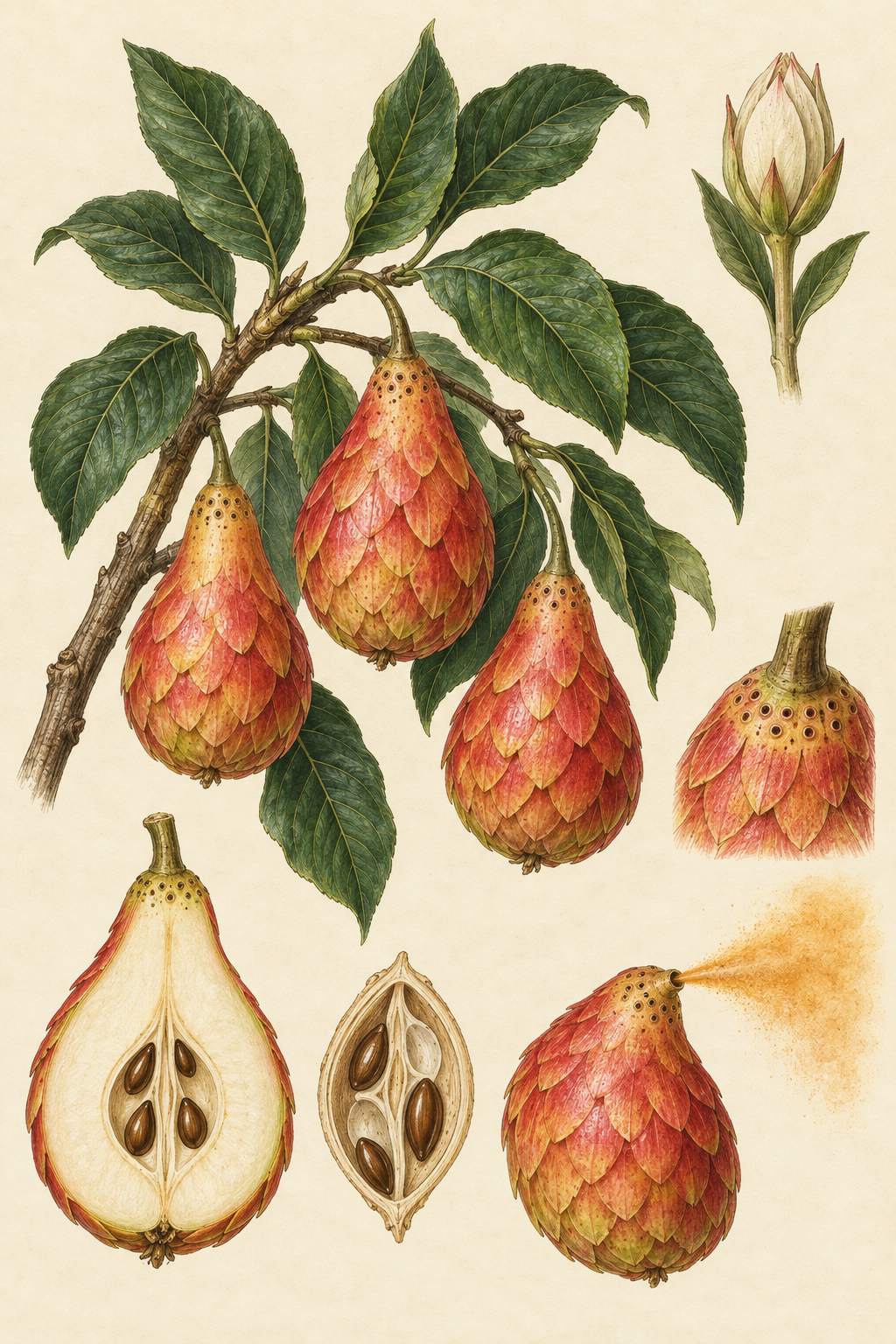
Moon Garden orchards and cafeteria growing houses
Sentry Pear is a red-gold orchard fruit whose layered rind detects human body heat and vents a peppery warning mist before the fruit can be picked.

Aero Lagoon restoration zones
The Signal Seedling is a small broad-leaved plant used to test water, soil, and transmission quality throughout Aero Lagoon.
Moon Garden Ward trellises
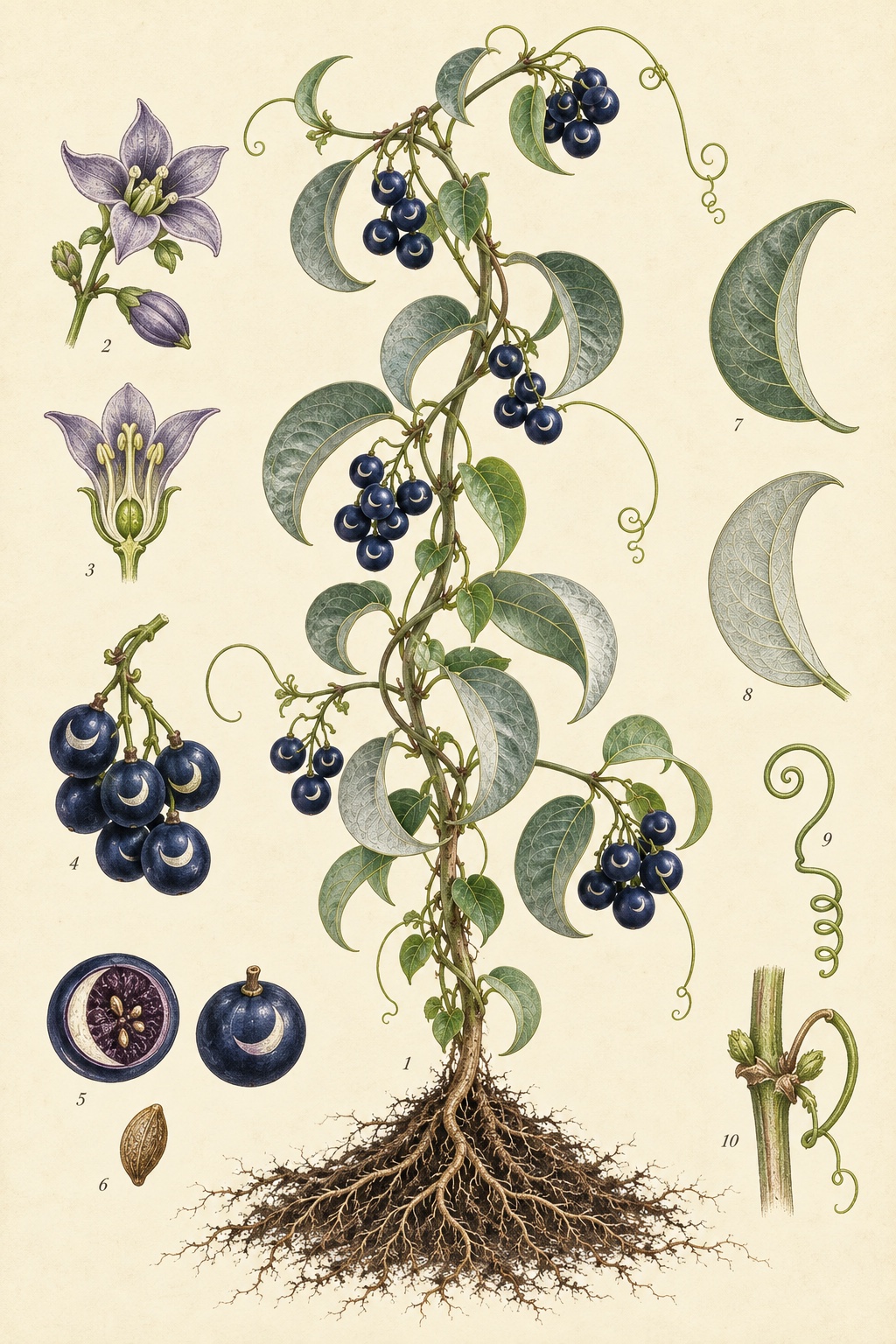
The Moonberry Vine is a silver-leaved climber that produces dark fruit after absorbing a complete night of reflected sky light.
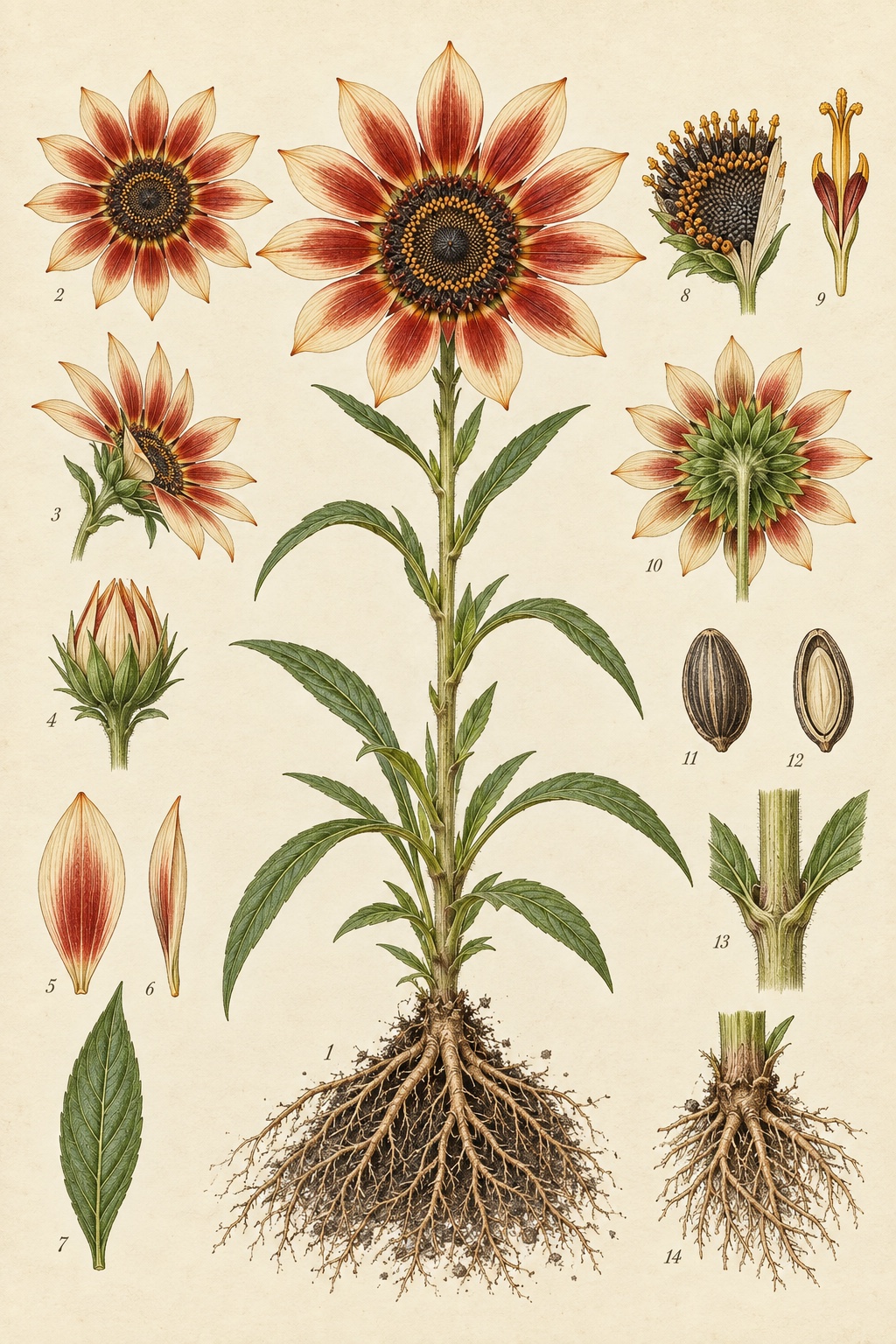
Public gardens and station entrances
Clockpetal is a tall flowering plant whose twelve petals change position as Nullhaven's local signal day advances.
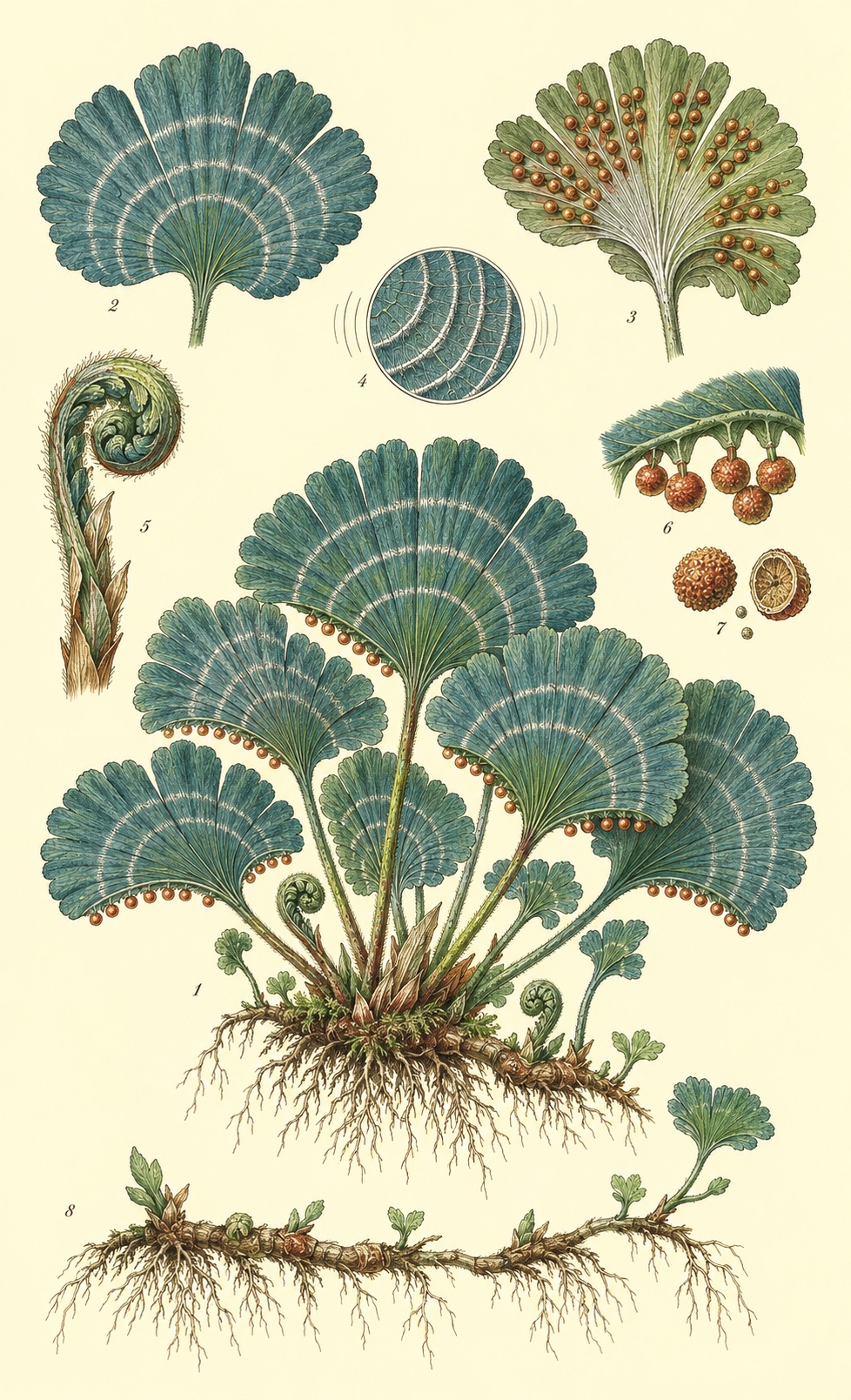
Quiet tunnels and archive basements
Echo Fern is a blue-green underground plant whose silver vein rings store nearby sounds and repeat a softened version of them at dusk.
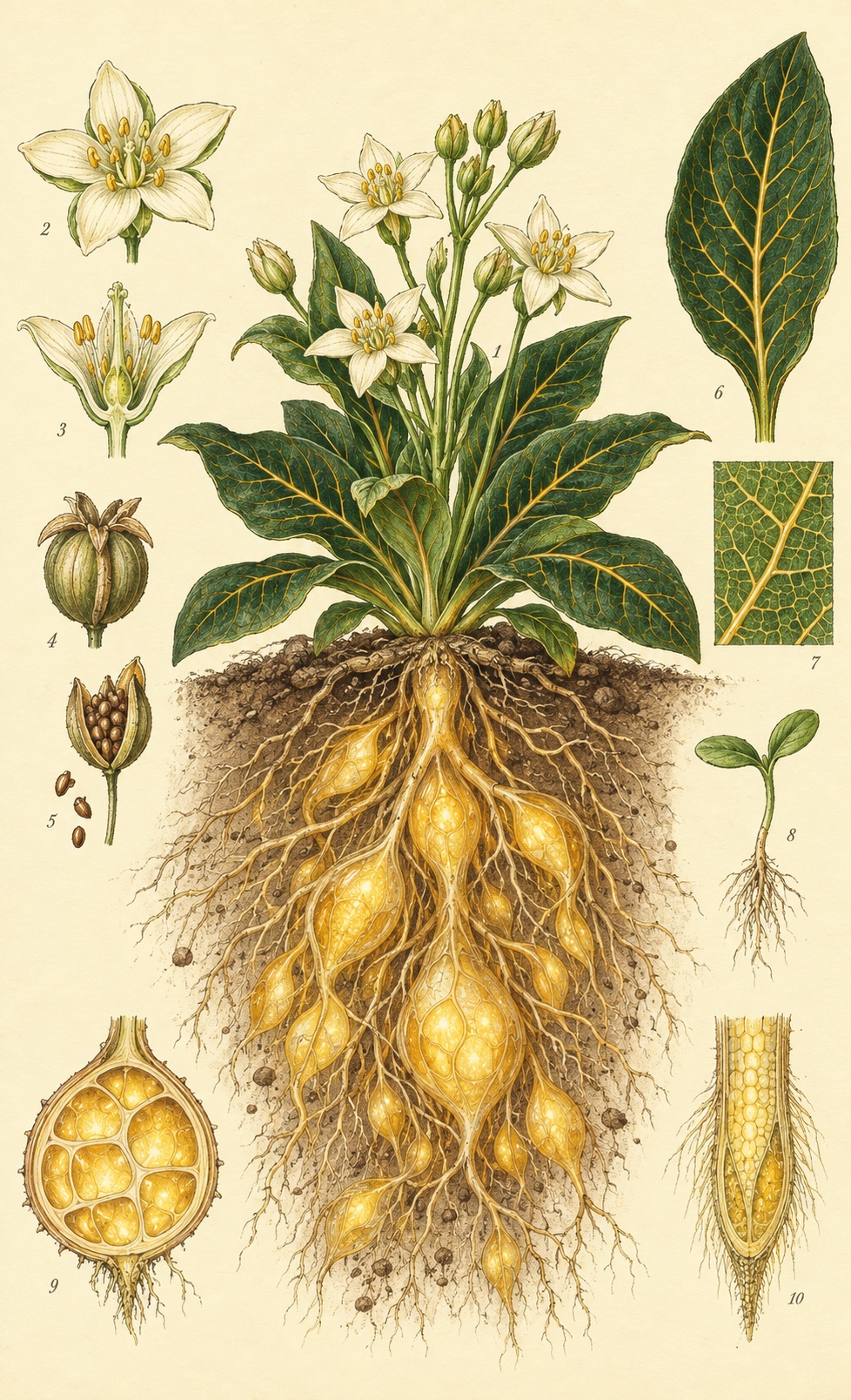
Tunnel gardens and emergency paths
Lantern Root is a broad-leaved flowering plant whose translucent golden root chambers store daylight and illuminate underground paths after dark.
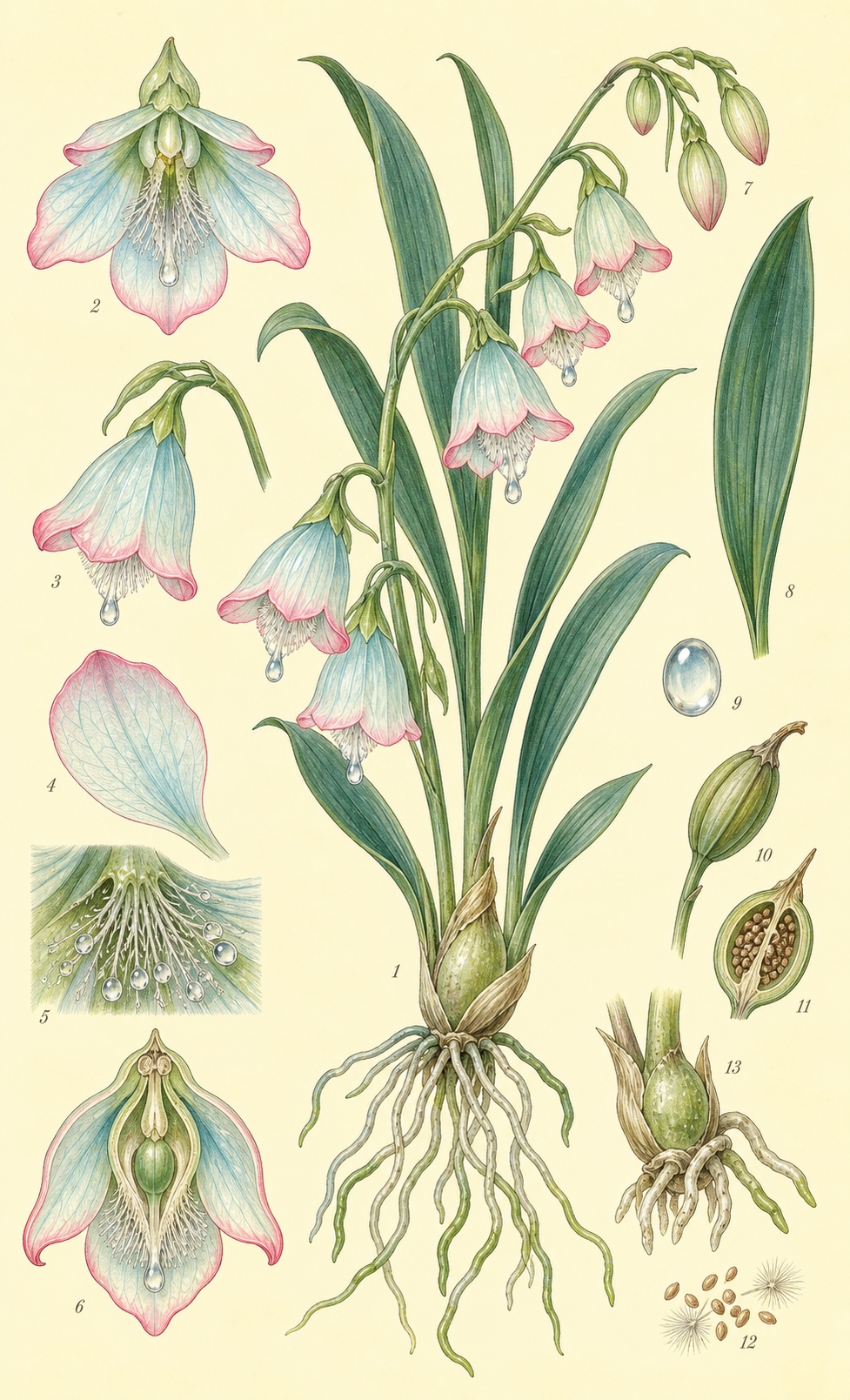
Static-rain conservatories and lagoon cliffs
Glassbell Orchid bears translucent blue and pink flowers lined with silver hairs that condense static rain into clean water droplets.
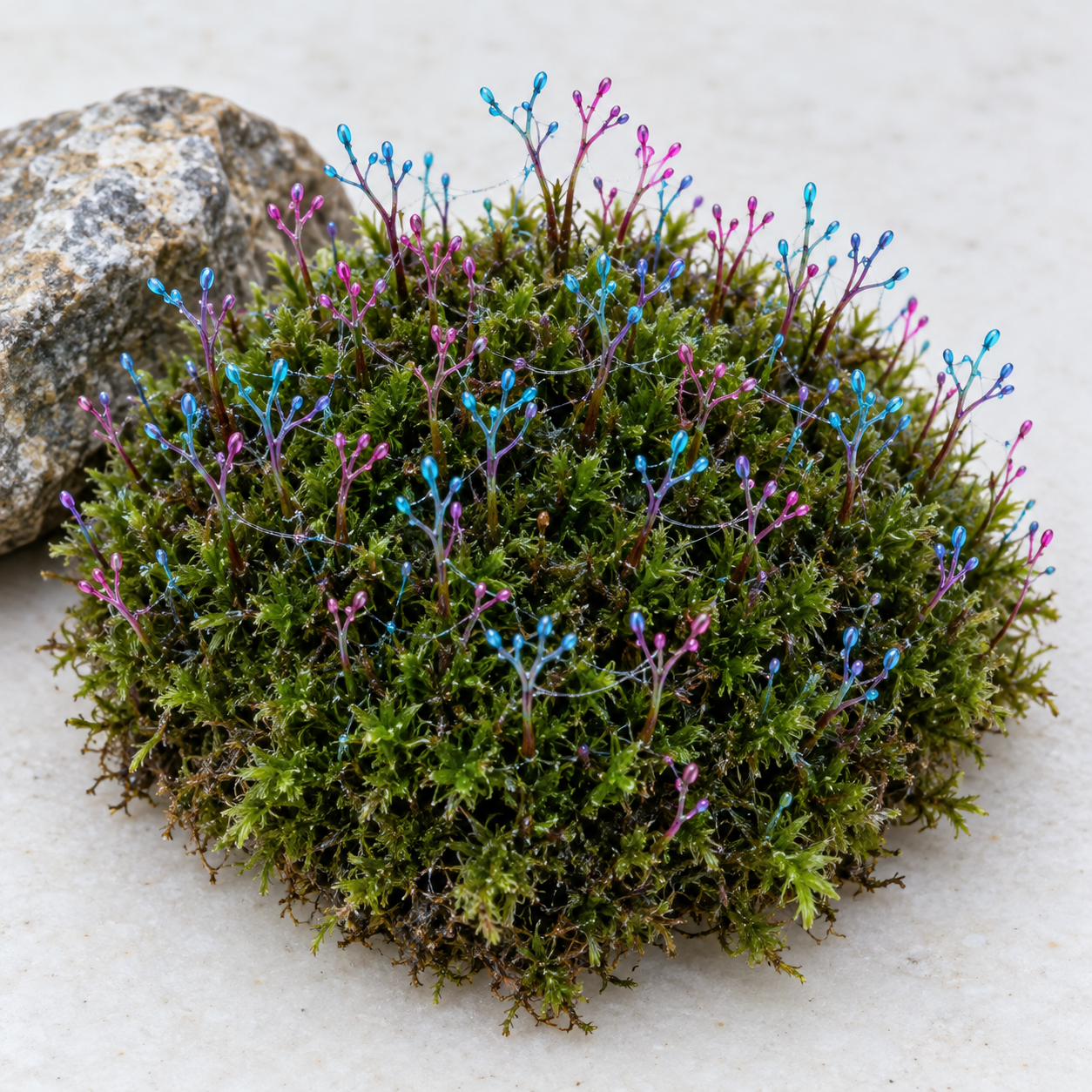
Tunnels, radio rooms, and wet stone
Static Moss is a low colonial plant with colored spore stalks that absorbs weak electrical noise and releases it as harmless light.
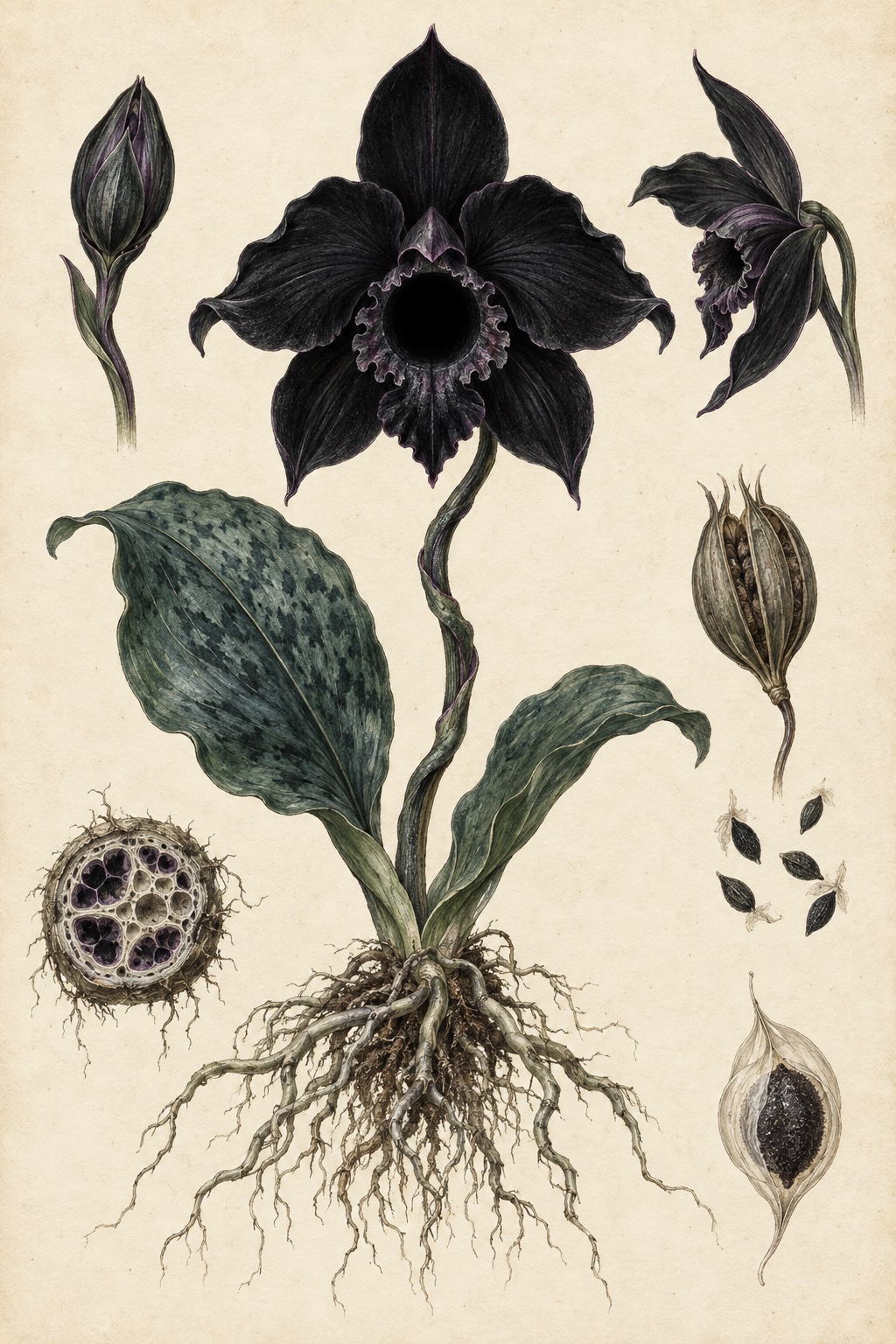
Sealed conservatories and lower garden service rooms
The Nullmouth Orchid is a rare black flower whose hollow central bloom removes sound from a widening area while it is open.
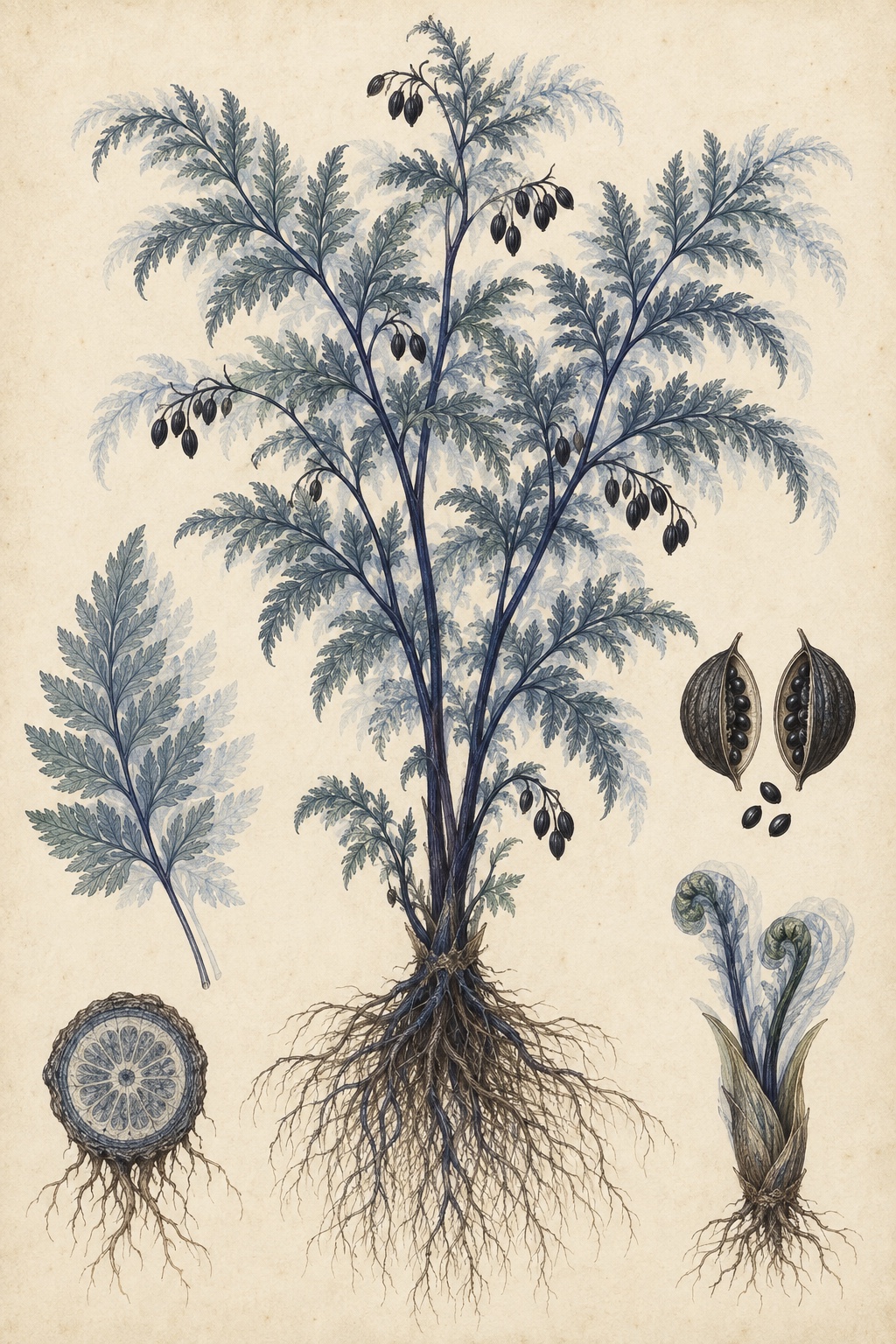
Signal-fog slopes and abandoned greenhouse aisles
Afterimage Hemlock is a tall indigo plant whose translucent leaves appear in several nearby positions before its stem visibly moves.
Showing all 17 registered specimens.
Public field code
Registry marks describe current handling rules, not whether a plant is good or bad. A mark may change after weather, mutation, or a new observed behavior.
Filed this week
MG-44Moon Garden Ward
Five vines formed marked fruit after four clear nights, one night earlier than the ward average.
NH-83Archive basement
Three silver vein rings replayed a closing bell at dusk, six hours after the original sound reached the colony.
AL-29Aero Lagoon greenhouse
Seven flowers collected enough static rain to fill the greenhouse reserve without carrying any electrical charge.
Field protocol
Remain outside the nearest root, vine, spore, or shadow line.
Check whether the plant turns toward sound, text, warmth, or attention.
Note its color, field mark, local signal, weather, and number of shadows.
Send unusual behavior to the Botanical Registry before moving the specimen.
Mutation register
Color changes without structural growth.
Leaves, stems, or roots change shape.
A new sensory organ develops.
The plant begins making active choices.
Nearby weather or space is altered.